By Sarah Bennett — Independent Veterans Benefits Writer | Reviewed & updated August 1, 2026
Independent and non-government. This site is independent and is not affiliated with, endorsed by, or sponsored by the U.S. Department of Veterans Affairs (VA) or any government agency. For official information, visit VA.gov.
Breathing Easier, One Supervised Step at a Time
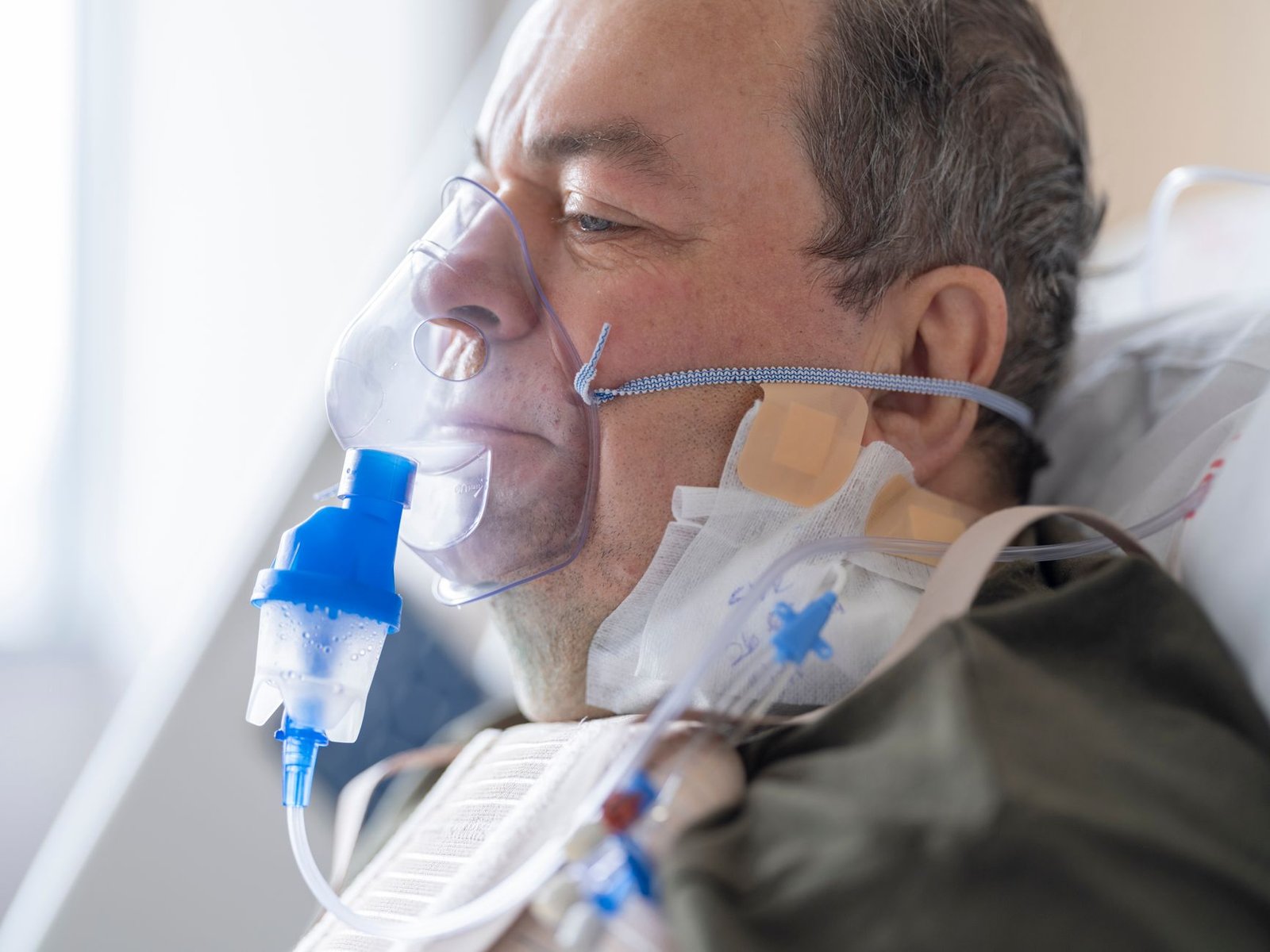
VA pulmonary rehabilitation for veterans is a supervised program that combines exercise training, breathing techniques, education, and nutritional counseling to help veterans living with chronic respiratory conditions manage day-to-day symptoms and function more comfortably. It is not a cure and it is not a cancer treatment — it is a structured, coached way to help the lungs and body work together a little better than they did the week before. For veterans whose breathing is affected by longstanding respiratory conditions, or whose lung function is impacted by a serious diagnosis such as mesothelioma, a program like this can sit alongside primary medical care rather than replace it.
This guide walks through what a typical VA pulmonary rehabilitation program actually involves, who it is designed for, how a veteran gets referred, what to expect week to week, and how to keep expectations realistic and grounded in what the program can and cannot do.
Part 1: What Pulmonary Rehabilitation Actually Is
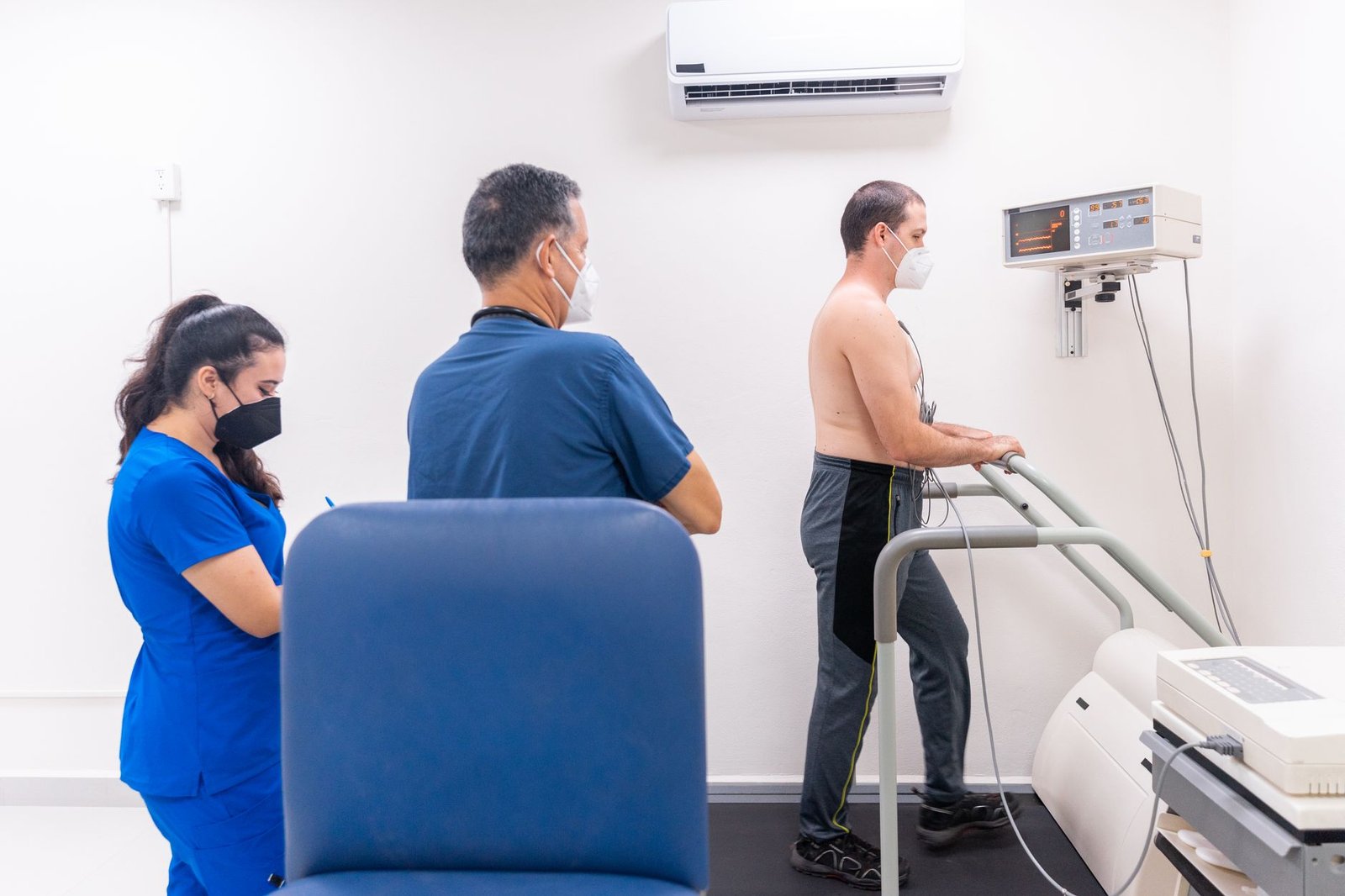
Pulmonary rehabilitation is a multidisciplinary program, usually led by a respiratory therapist or exercise physiologist working alongside a pulmonologist, built around a few core components:
- Supervised exercise training. Gentle, progressive aerobic exercise (often treadmill or stationary bike) and light strength training, adjusted to each veteran’s current lung capacity and paced under staff supervision so oxygen levels and heart rate can be monitored.
- Breathing technique training. Instruction in pursed-lip breathing, diaphragmatic breathing, and pacing strategies that can make everyday tasks — climbing stairs, carrying groceries, getting dressed — feel less winding.
- Education sessions. Group or individual instruction on the respiratory condition itself, medication and inhaler technique, recognizing early warning signs of a flare-up, and energy conservation for daily activities.
- Nutritional counseling. Guidance on eating patterns that support energy levels and a healthy weight, since both being underweight and being overweight can make breathing harder.
- Emotional and psychosocial support. Many programs build in time to talk about the anxiety and frustration that often come with shortness of breath, along with connections to broader VA mental health and social support resources when a veteran wants them.
The overarching goal, according to the National Heart, Lung, and Blood Institute, is not to reverse underlying lung damage but to help patients use the lung function they have more efficiently and confidently. You can read a plain-language overview of the components and evidence base at the NIH’s own pulmonary rehabilitation resource.
Part 2: Who VA Pulmonary Rehabilitation Is Designed For
VA pulmonary rehabilitation for veterans is most commonly offered to enrolled veterans with chronic respiratory conditions such as COPD, chronic bronchitis, and other conditions that leave a person short of breath with ordinary activity. It can also be considered for veterans whose breathing capacity has been reduced for other reasons — including veterans managing a serious lung-related diagnosis such as mesothelioma, where a pulmonologist judges that structured breathing and conditioning work may support daily comfort alongside oncology care.
It is worth being clear-eyed here: pulmonary rehabilitation does not treat a tumor, does not shrink cancer, and is not a substitute for chemotherapy, surgery, radiation, or any other primary treatment a veteran’s oncology team has recommended. Where a veteran is also exploring advanced cancer-specific treatment options, our guide to the VA’s precision oncology program covers that separate track of care. Pulmonary rehabilitation’s role is narrower and more practical: helping a veteran manage symptoms, conserve energy, and stay as active and independent as safely possible while other treatment continues.
Part 3: How a Veteran Gets Referred
A veteran does not sign up for pulmonary rehabilitation directly. The pathway generally runs through a clinician who already knows the veteran’s respiratory history:
- Step 1 — Raise it with a VA pulmonologist or primary care provider. If shortness of breath, reduced stamina, or a chronic lung condition is affecting daily life, that is the conversation to start. A veteran already enrolled in VA health care can raise this at a routine visit or a scheduled pulmonology appointment.
- Step 2 — Pulmonary function testing. The provider will typically review or order lung function testing to understand current capacity and confirm that supervised exercise is appropriate and safe.
- Step 3 — Formal referral to the pulmonary rehabilitation program. Not every VA medical center runs an in-house program; some route veterans to a VA-affiliated facility or a community care provider through VA’s community care network when a program is not available locally.
- Step 4 — Intake assessment. Before the first exercise session, staff typically assess baseline walking distance, oxygen levels during activity, medication list, and personal goals, so the program can be tailored rather than generic.
Veterans who are not yet enrolled in VA health care will generally need to complete enrollment first. The VA facility locator can help identify the nearest VA medical center and confirm whether pulmonary rehabilitation services are offered on site or through a community care referral.
Part 4: What a Typical Program Looks Like Week to Week
Most pulmonary rehabilitation programs run for several weeks, structured as regular supervised sessions rather than a single visit:
- Session frequency. Programs commonly meet two to three times per week over a period of roughly six to twelve weeks, though the exact schedule depends on the facility and the veteran’s needs.
- Session length. A typical session runs about an hour and combines the exercise portion with a shorter block of education or breathing instruction.
- Supervision and monitoring. Staff monitor oxygen saturation, heart rate, and perceived breathlessness throughout exercise, adjusting intensity as needed rather than pushing a fixed pace.
- Progression. Exercise intensity and duration are increased gradually as tolerance improves, always under clinical supervision rather than left to the veteran to judge alone.
- Home practice. Between sessions, veterans are usually asked to practice breathing techniques and a lighter version of the exercise plan at home, with check-ins on how that is going.
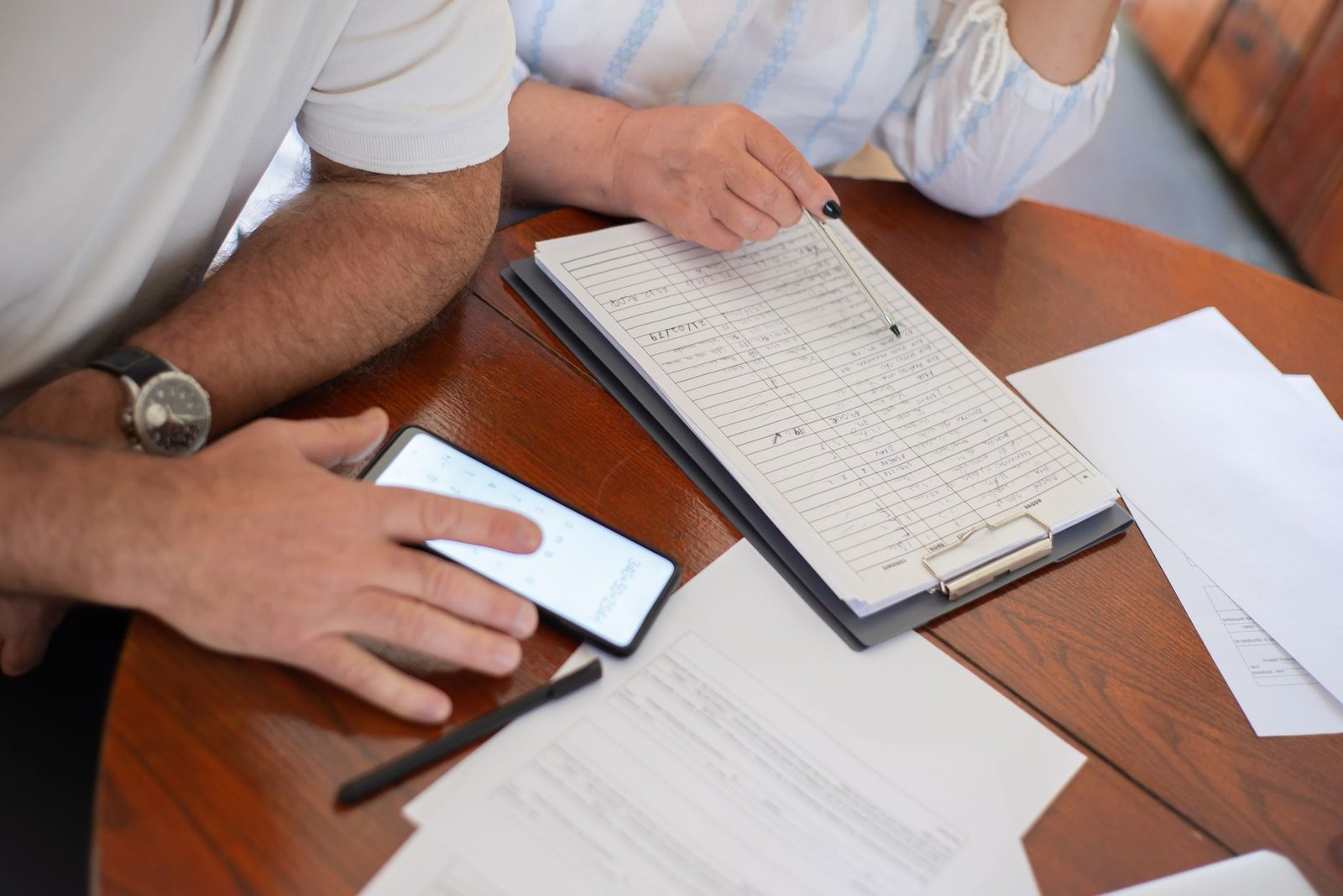
For a veteran also managing cancer treatment, session pacing is often coordinated with the oncology team’s schedule — treatment days may call for a lighter or rescheduled rehabilitation session rather than a missed one entirely. Veterans navigating multiple care teams at once sometimes find it helpful to loop in VA social work services, which can help coordinate appointments and connect a family with additional support around a complex care schedule.
Part 5: Realistic Expectations — What This Program Can and Cannot Do
It matters to be plain about this: pulmonary rehabilitation may help manage symptoms and support quality of life, but it does not treat, shrink, or cure cancer, and it is not a substitute for a veteran’s primary oncology or pulmonology treatment plan. What veterans and families can reasonably hope for includes:
- Feeling less winded during routine tasks like bathing, dressing, or light housework.
- Better understanding of breathing techniques that can ease a moment of shortness of breath.
- Improved confidence and reduced anxiety around physical activity.
- Better inhaler and medication technique, which can reduce avoidable flare-ups.
- A structured routine and a care team that is watching for changes, which many veterans find reassuring on its own.
What it is not designed to do is change the course of an underlying cancer or reverse permanent lung damage. Veterans with a mesothelioma or other lung-related diagnosis should continue to follow their oncology team’s treatment plan; pulmonary rehabilitation is a supportive layer, not a replacement path. For broader context on how lung function and respiratory symptoms fit into a cancer diagnosis generally, the Mayo Clinic’s overview of pulmonary rehabilitation is a useful, plainly written reference, and the National Cancer Institute’s general cancer information hub is a good starting point for understanding treatment side effects on breathing and stamina.
Part 6: Who Delivers the Program and How It’s Coordinated
VA pulmonary rehabilitation for veterans is typically delivered by a team rather than a single provider: a supervising pulmonologist sets the medical parameters, a respiratory therapist or exercise physiologist runs the exercise and breathing sessions, and a dietitian may contribute the nutrition component. This team approach means a veteran’s plan can be adjusted quickly if something changes — a new medication, a hospitalization, or a shift in an underlying condition like a cancer diagnosis.
Veterans exposed to asbestos during military service, whose respiratory symptoms may relate to that history, sometimes ask how occupational exposure connects to the conditions a pulmonary rehab team is managing. Our guide on military insulation workers and asbestos exposure explains that occupational background in plain terms, separate from the rehabilitation program itself.
Frequently Asked Questions
Does pulmonary rehabilitation treat mesothelioma or shrink a tumor?
No. Pulmonary rehabilitation is a symptom-management and conditioning program. It does not treat cancer directly. It may help a veteran manage breathing-related symptoms and stay more functional alongside — never instead of — the primary treatment plan set by an oncology team.
Do I need a referral, or can I request this program myself?
A referral from a VA pulmonologist or primary care provider is generally required. Raise the topic at your next appointment; the provider can order any needed testing and refer you to the program if it is appropriate for your situation.
Is VA pulmonary rehabilitation available at every VA medical center?
Availability varies by location. Some VA medical centers run in-house programs; others coordinate access through VA’s community care network. The VA facility locator is a good starting point to check what’s available near you.
How long does a typical program last?
Most programs run several weeks, often two to three supervised sessions per week for roughly six to twelve weeks, though the exact length depends on the facility and the veteran’s individual needs and progress.
Is the exercise safe for someone with reduced lung capacity?
Sessions are supervised, and staff monitor oxygen levels, heart rate, and breathlessness throughout, adjusting the pace as needed. The program is designed specifically for people with reduced respiratory function, not in spite of it.
Can family members attend education sessions?
Many programs welcome a spouse or caregiver at education sessions, since understanding breathing techniques and warning signs together can make daily life at home smoother. Ask your program coordinator what is offered at your facility.
What if I am not yet enrolled in VA health care?
Enrollment in VA health care is generally the first step before accessing VA-based pulmonary rehabilitation. The VA facility locator and your nearest VA medical center can walk you through enrollment.
Resources
- VA Facility Locator — find your nearest VA medical center and confirm available respiratory care services.
- NIH National Heart, Lung, and Blood Institute — Pulmonary Rehabilitation — plain-language overview of components and goals.
- Mayo Clinic — Pulmonary Rehabilitation Overview — what the program involves and who it may help.
- National Cancer Institute — general information on cancer treatment and its effects on lung function and stamina.
Final Thoughts: A Steady Hand on a Hard Task
Learning to breathe more comfortably again, one supervised session at a time, is not a small thing. VA pulmonary rehabilitation for veterans will not undo an underlying diagnosis, and no honest guide should suggest otherwise. What it offers instead is a coached, monitored way to reclaim a bit more of an ordinary day — climbing the stairs without stopping twice, sitting through a grandchild’s ballgame without watching the clock on your breath. Paired with the primary care team already guiding a veteran’s treatment, that steadier breathing can be worth a great deal.
Medical disclaimer: This article is for informational purposes only and is not medical advice, diagnosis, or treatment. Consult a licensed physician or your VA care team about your specific situation.