
By Eleanor Whitfield — Independent Veterans Benefits Writer | Reviewed & updated August 1, 2026
Independent and non-government. This site is independent and is NOT affiliated with, endorsed by, or sponsored by the U.S. Department of Veterans Affairs (VA) or any government agency. For official information, visit VA.gov.
A Newer Kind of Cancer Testing, Explained Simply
The VA precision oncology program is a system-wide effort within VA cancer care that uses genomic testing on a veteran’s own tumor to look for the specific molecular changes driving that particular cancer. Instead of treating every case of a given cancer type the same way, VA oncologists can order this testing and use the results, alongside everything else known about a veteran’s health, to help think through which treatments — including targeted therapies or matching clinical trials — might be worth discussing. For veterans and families dealing with a serious diagnosis like mesothelioma, understanding this program is one more way to walk into appointments with better questions.
This guide keeps things in plain English. We will cover what precision oncology and genomic tumor testing actually mean, how the VA’s program works in practice, who is generally eligible, how to ask a VA oncologist about it, and how it fits alongside standard mesothelioma care. Nothing here promises a particular outcome — testing may help identify options for some veterans, and it may not change the treatment plan for others. The goal is simply to help you understand the conversation before you have it.
Part 1: What “Precision Oncology” Actually Means
Every tumor has its own genetic fingerprint. Two veterans with the same type of cancer — say, mesothelioma — can have tumors that behave differently at the molecular level, because of different mutations or biological markers inside the cancer cells themselves. Precision oncology, sometimes called precision medicine or genomic medicine, is the practice of testing a tumor sample to identify those specific changes, then using that information to help guide treatment decisions rather than relying only on the cancer’s location and stage.
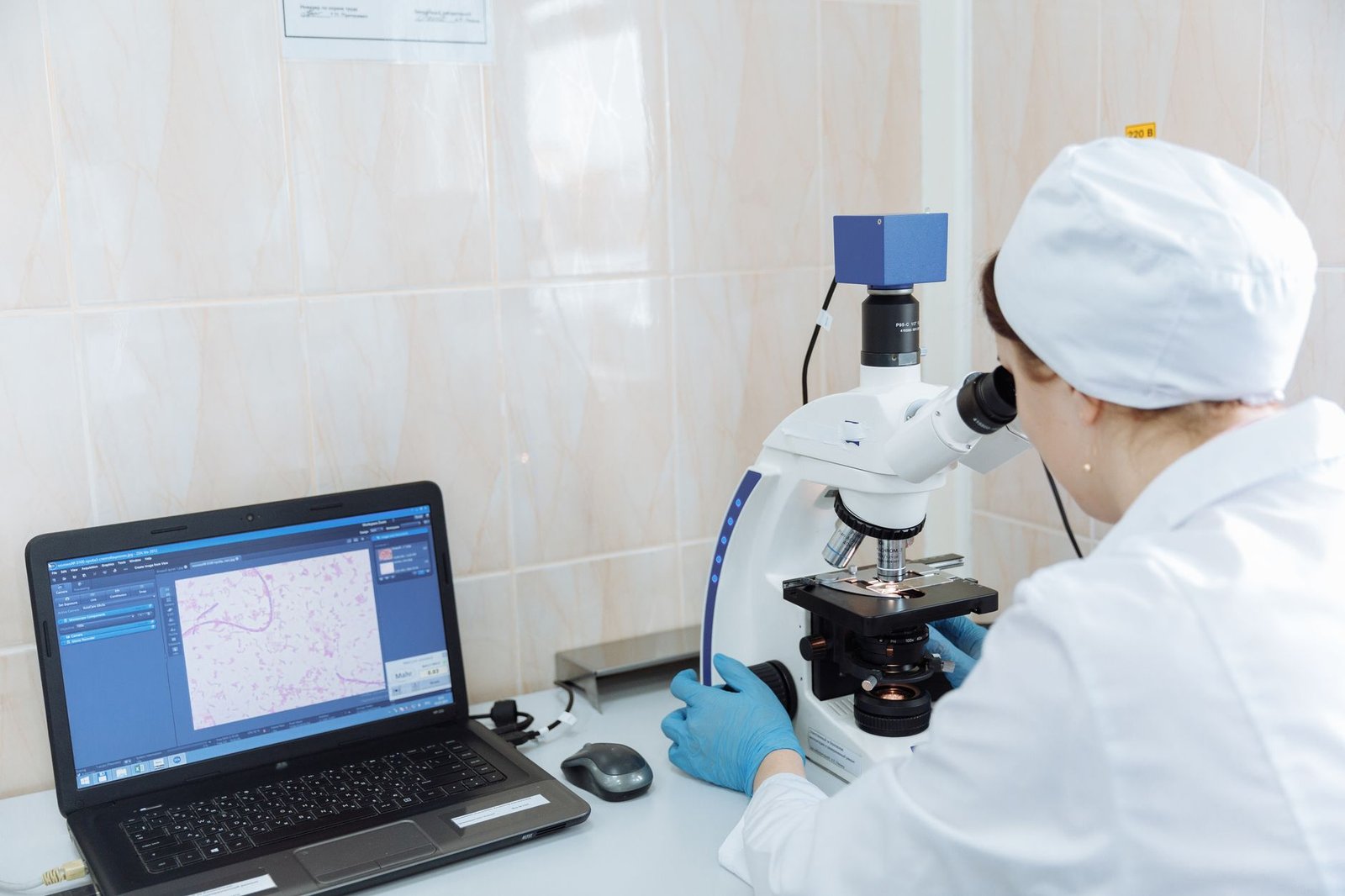
This is exactly the idea behind the VA precision oncology program: instead of guessing which treatment might work best, a veteran’s care team looks at real molecular data from that veteran’s own tumor. In practical terms, a small piece of tumor tissue (sometimes a blood sample, in what is called a “liquid biopsy”) is sent to a laboratory, where genomic sequencing looks for particular mutations or biomarkers already linked to available therapies. If a matching marker turns up, an oncologist may consider a targeted drug built to act on that specific pathway, or may flag the veteran as a possible fit for a clinical trial studying that marker. The National Cancer Institute has a clear public overview of how this approach works at cancer.gov, which is worth reading alongside anything your VA care team explains.
Part 2: How the VA Precision Oncology Program Works
The VA precision oncology program was built to bring this kind of genomic testing into everyday VA cancer care, rather than leaving it as something only available at a handful of specialty centers. In broad strokes, here is how it generally functions:
- A VA oncologist orders testing. When a veteran’s cancer type and clinical situation make genomic testing relevant, the treating VA oncologist can order it as part of routine cancer care, without the veteran needing to seek out a separate research program.
- Tumor tissue or blood is analyzed. Samples are typically sent to a laboratory equipped to run genomic sequencing panels that check for a broad set of known cancer-related mutations at once.
- Results come back to the care team. A report summarizes which molecular alterations, if any, were found and what is currently known about therapies or trials associated with each one.
- The oncologist and veteran discuss options together. Results are one input among several — overall health, cancer stage, prior treatment, and the veteran’s own goals all factor into any decision about targeted therapy, standard treatment, or clinical trial matching.
The VA has described this as an effort to make molecular tumor testing a standard part of cancer care across the system, not a special request reserved for veterans who happen to ask the right question. Even so, being an informed, asking veteran or family member tends to help any process move more smoothly — which is part of why we are writing this guide.
Part 3: Who Is Generally Eligible
Eligibility for the VA precision oncology program is tied to being an eligible veteran already receiving cancer care within the VA health system, rather than a separate application process. In general terms:
- The veteran should be enrolled in VA health care and under the care of a VA oncology team for an active cancer diagnosis.
- The relevant cancer type should be one for which genomic testing is medically appropriate — many solid tumors, including mesothelioma, fall into this category, though the specific testing recommended can vary case by case.
- The decision to order testing rests with the treating VA oncologist, based on clinical judgment about whether results are likely to be useful for that veteran’s situation.
Because clinical guidelines and available panels can change, and because every veteran’s case is different, the most reliable way to find out whether testing applies to your situation is to ask your own VA oncology team directly. This is not a program that requires a separate VA disability claim or rating — it is a part of VA cancer treatment itself, distinct from the compensation and claims side of VA benefits. If you are also working through paperwork related to a disability claim, our guide on what a VA claim development letter means and how to respond covers that separate process.

Part 4: How to Ask Your VA Oncologist About It
Many veterans and family members simply do not know the VA precision oncology program exists until they ask. A few practical starting points for a conversation with a VA oncology team:
- Ask directly. A simple question works: “Has genomic or molecular testing been done on my tumor, and would it be useful in my case?”
- Ask what a positive result would change. Understanding in advance whether a finding could open a targeted therapy option or a trial match helps set realistic expectations either way.
- Ask about timing. Testing and results can take time to come back from the lab, so understanding the timeline helps with planning other treatment decisions.
- Bring a family member or caregiver to the appointment. A second set of ears often catches details that are easy to miss during a stressful visit.
- Ask what happens if no actionable mutation is found. This is a normal, common outcome, and it simply means the care team continues with the standard treatment approach for that cancer type.
Veterans do not need to be experts in genomics to have this conversation. The role of the family here is mostly to ask the question and make sure it does not get lost in a busy appointment.
Part 5: How This Fits Alongside Standard Mesothelioma Treatment
Understanding where the VA precision oncology program fits matters, because mesothelioma treatment has traditionally relied on a combination of surgery, chemotherapy, and radiation, chosen based largely on the cancer’s location and stage. Molecular tumor testing does not replace that framework — it sits alongside it. For some veterans, genomic findings may help identify a targeted therapy option or a clinical trial worth discussing with the oncology team; for others, testing may not turn up an actionable result, and standard treatment remains the primary path. Neither outcome reflects anything about how “well” a veteran is doing — it simply reflects the biology of that particular tumor.
Because mesothelioma is relatively rare, VA oncologists treating it may also draw on broader national research into its molecular characteristics. The National Library of Medicine’s research database at pubmed.ncbi.nlm.nih.gov is a useful place for veterans and families who want to read peer-reviewed studies on mesothelioma genomics, though it is written for a clinical audience and is best explored together with your care team’s explanation. If you are earlier in the process and still working through a disability rating tied to your diagnosis, our overview of how routine VA disability reexaminations work may answer a related question that often comes up around the same time.
Part 6: Questions Families Often Ask Along the Way
A few themes come up repeatedly when families first learn about the VA precision oncology program, and it helps to sort them out before an appointment:
- “Does this mean a cure?” No. Precision oncology is a tool for matching treatment to tumor biology — it may help identify options for some veterans, but it does not promise a cure or a particular result.
- “Do we have to pay extra for this testing?” Testing ordered as part of VA cancer care follows standard VA health care coverage; costs and any copay questions are best confirmed directly with your VA facility’s billing office.
- “Can we request testing ourselves?” The decision belongs to the treating oncologist, based on clinical appropriateness, but asking the question is always reasonable and welcomed.
- “What if we want a second opinion?” Veterans can discuss second opinions with their VA care team, including whether community care referrals are appropriate for specialized cancer consultations.
Keeping your own written notes from each oncology visit — including any mention of genomic testing, results, and next steps — can make later conversations, including ones about your VA claims file, considerably easier. Veterans who want a copy of their own records for reference may find our guide on how to request your VA claims file helpful for the benefits side of that paperwork trail.
Frequently Asked Questions
What is the VA precision oncology program in simple terms?
The VA precision oncology program is a VA-wide effort to make genomic tumor testing part of standard cancer care, so that VA oncologists can look at the specific molecular makeup of a veteran’s tumor and consider whether that information points toward targeted therapy or a matching clinical trial.
Does molecular tumor testing replace chemotherapy or surgery?
No. It is an additional layer of information that sits alongside standard treatments like surgery, chemotherapy, and radiation. Some veterans end up with an additional targeted option; many continue with standard treatment as planned.
Is genomic testing available for mesothelioma specifically?
Testing availability and relevance depend on the individual case and current clinical guidelines. Because mesothelioma is a less common cancer, ask your VA oncology team directly whether molecular testing is appropriate for your specific diagnosis.
Do I need a VA disability rating to access this program?
No. This program is part of VA cancer treatment for veterans enrolled in VA health care, and it is separate from the disability compensation and claims process.
How long does testing usually take?
Turnaround time varies by laboratory and the type of test ordered. Ask your VA oncology team for an estimated timeline specific to your situation so you can plan around it.
What happens if the test does not find a targeted treatment match?
This is a common and normal outcome. It does not mean anything went wrong with the testing — it simply means the care team continues with the standard treatment approach recommended for that cancer type.
Can family members ask questions during these appointments?
Generally, yes. Bringing a spouse, adult child, or caregiver to oncology appointments is common, and VA care teams are typically used to discussing test results and treatment options with the whole family present, with the veteran’s consent.
Resources
- VA Cancer Care — official VA overview of oncology services available to enrolled veterans.
- National Cancer Institute — Precision Medicine in Cancer Treatment — plain-language federal explanation of genomic tumor testing and targeted therapy.
- PubMed / National Library of Medicine — searchable peer-reviewed research, including studies on mesothelioma genomics.
- VA.gov — the official U.S. Department of Veterans Affairs website for all benefits and health care information.
Final Thoughts: Asking the Question Is the First Step
Cancer care can feel like a series of decisions made under pressure, with unfamiliar terms flying by in a ten-minute appointment. The VA precision oncology program exists to add one more layer of useful information to that process — not to promise a particular result, but to make sure a veteran’s own tumor biology gets a fair look before treatment choices are finalized. Whether or not testing changes the plan, asking about it is a small, manageable step that any veteran or family member can take at the next oncology visit. You do not need to understand genomics to advocate for yourself; you only need to ask the question.
Medical disclaimer: This article is for informational purposes only and is not medical advice, diagnosis, or treatment. Consult a licensed physician or your VA care team about your specific situation.