
By Eleanor Whitfield — Independent Veterans Benefits Writer | Reviewed & updated August 1, 2026
Independent and non-government. This site is not affiliated with, endorsed by, or sponsored by the U.S. Department of Veterans Affairs (VA) or any government agency. For official information, visit VA.gov.
Why a Letter From VA Can Feel So Unsettling
VA claim development letters are one of the most common — and most misunderstood — pieces of mail a veteran or survivor receives while a disability or DIC claim is pending. The envelope looks official, the language can feel dense, and there is almost always a deadline printed somewhere inside. For a veteran or surviving spouse already dealing with an asbestos-related illness like mesothelioma, that mix of formality and urgency can turn an ordinary mail delivery into a stressful afternoon.
The good news is that VA claim development letters are a routine, expected part of how VA builds a claim file, not a sign that something has gone wrong. In this guide, we will walk through what these letters typically ask for, how much time you generally have to respond, what happens if a deadline slips by, and how the whole process connects to VA’s legal duty to help gather evidence on your behalf.

Part 1: What a Development Letter Actually Is
When VA opens a claim, a claims processor reviews what has already been submitted and decides what else is needed to make a fair decision. If pieces are missing — a signed authorization, a statement from someone who witnessed an event, a clearer account of dates and places — VA sends a letter describing exactly what it needs and from whom. This step is often called “development” because the claim is still being built out, or developed, before it reaches a rating decision.
VA claim development letters can arrive at more than one point in the process. Some are sent shortly after a claim is filed, asking the claimant to fill gaps in the initial application. Others follow a records request that came back incomplete, or a medical exam report that raised a follow-up question. It is common for a single claim to generate more than one development letter over the months it is pending, and receiving a second or third letter does not mean the claim is in trouble — it usually means VA is still working through the evidence-gathering stage described in 38 CFR § 3.159, the federal regulation that governs how VA assists claimants with evidence.
Part 2: What These Letters Typically Ask For
The specific request varies by claim, but most VA claim development letters fall into a handful of familiar categories:
- Medical release authorizations. VA often needs a signed form authorizing a private doctor, hospital, or clinic to release treatment records. Without that signature, VA generally cannot obtain records held outside the VA system.
- Buddy or lay statements. A letter may ask the veteran to submit — or ask a fellow service member, spouse, or family member to submit — a written statement describing events, exposures, or symptoms that documents don’t fully capture.
- Service record clarifications. Sometimes VA needs the veteran to confirm dates of service, unit assignments, or duty stations so records requests to the military can be narrowed and matched correctly.
- Exam scheduling notices. A related letter may notify the claimant that a Compensation & Pension examination has been scheduled, along with instructions for attending or requesting a reschedule.
- Missing forms or signatures. Occasionally the request is simple — an unsigned form, a blank field, or a document that was referenced but never actually attached.
Reading the letter carefully from top to bottom, rather than skimming for the deadline, is the best way to catch every item VA is actually asking for. It is not unusual for one letter to request two or three different things at once.
Part 3: Typical Response Windows
VA claim development letters generally give claimants a defined window to respond — commonly around 30 days from the date on the letter, though the exact period can vary by letter type and should always be confirmed against what is printed in your own notice. VA has generally allowed additional time beyond that initial window before moving forward without the requested evidence, but relying on an extension is riskier than responding promptly. The safest approach is to treat the date in the letter as the real deadline and reply as soon as the requested information is ready, rather than waiting until the last few days.
If more time is genuinely needed — for example, a private clinic is slow to release records, or a witness needs a few extra weeks to write a statement — contacting VA and explaining the delay before the deadline passes is far better than letting it pass silently. The current claim status and any deadlines tied to it can generally be checked through VA.gov’s claim status tool, which is worth checking periodically while a letter is outstanding.
Part 4: What Happens If a Deadline Passes
Missing a deadline set by VA claim development letters does not automatically end a claim, but it can change how VA proceeds. In many cases, once the response window closes, VA will move forward and decide the claim based on the evidence already on file — which may mean a decision made without the medical authorization, buddy statement, or clarification that was requested. That can result in a lower rating, a denial, or an effective date that is less favorable than it might otherwise have been, since VA generally can only weigh what has actually been submitted.
If a deadline has already passed, the claim is usually not permanently closed. Evidence can often still be submitted after the fact, and there are formal paths — including supplemental claims — for adding evidence that VA did not previously have. Because these situations involve real legal and procedural stakes, many veterans and survivors find it worthwhile to talk through next steps with a Veterans Service Officer (VSO) or VA-accredited representative rather than guessing at the right move alone.
Part 5: Tips for Responding Completely the First Time
A complete, well-organized response to VA claim development letters the first time around tends to move a claim forward faster than a partial one that triggers a follow-up letter. A few habits help:
- Read the entire letter before responding. Note every individual request, not just the first one mentioned, and make a simple checklist.
- Use the exact forms referenced. If VA names a specific form number, use that form rather than a similar-looking substitute or a handwritten note covering the same ground.
- Keep copies of everything sent. A dated copy of each document, along with proof of mailing or an upload confirmation, is invaluable if a piece of mail goes astray.
- Answer every question a buddy statement asks for. Statements are strongest when they describe specific events, approximate dates, and firsthand observations rather than general impressions.
- Call if anything is unclear. A short call to confirm what a confusing sentence in the letter actually means can save weeks compared to guessing incorrectly.
Veterans and survivors gathering older military paperwork as part of a response sometimes also need a copy of the full claims file to see what VA already has on hand; our guide on requesting your VA claims file walks through that process step by step.
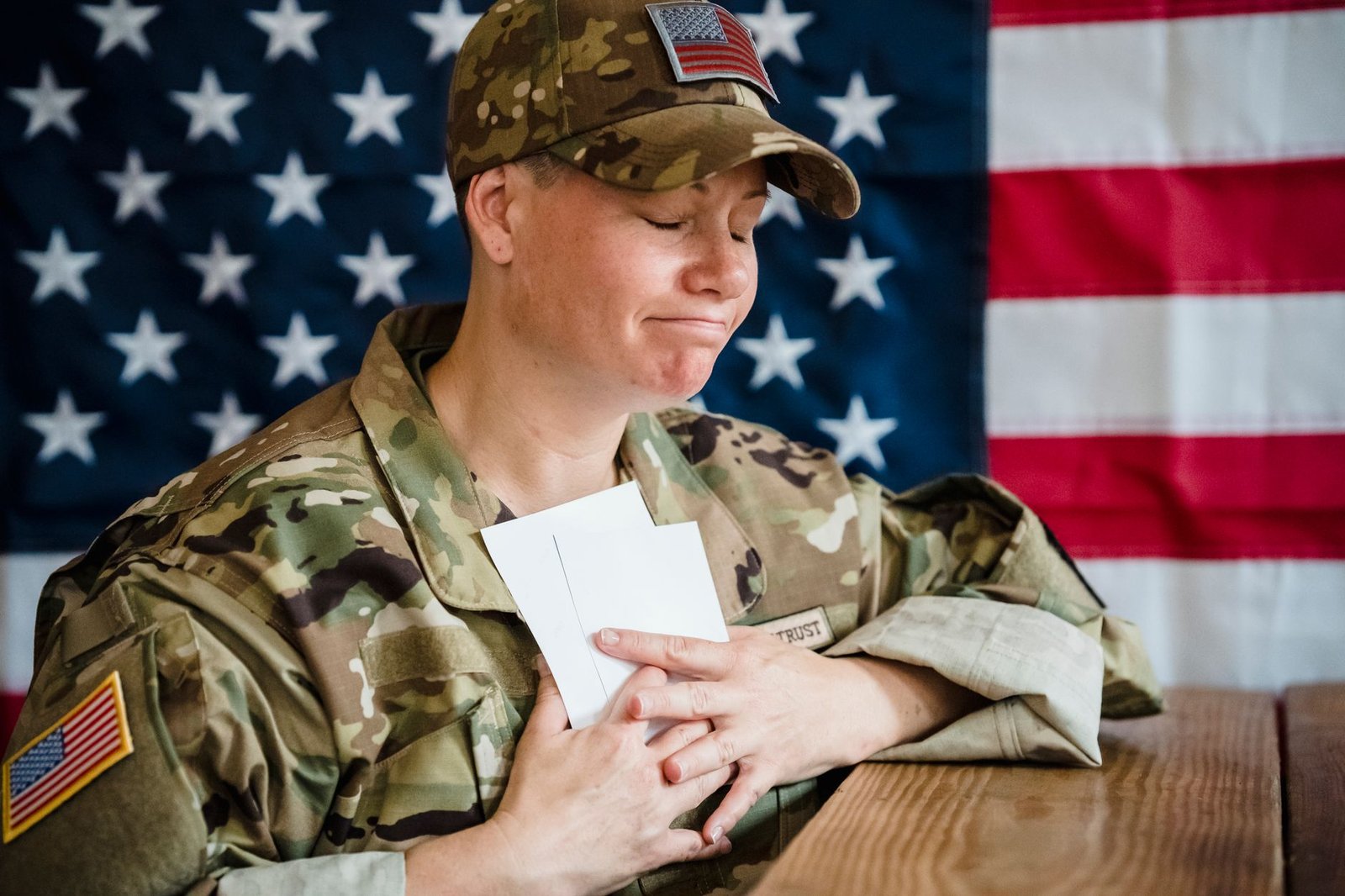
Part 6: How VA Claim Development Letters Connect to VA’s Duty to Assist
VA operates under a legal “duty to assist” claimants in gathering evidence, which is part of why VA claim development letters exist in the first place. Rather than placing the entire burden of evidence-gathering on the veteran, VA is generally required to help obtain federal records — such as service treatment records and VA medical records — on its own, and to make reasonable efforts to help obtain private records once a claimant provides the necessary authorization. Development letters are, in effect, VA asking the claimant to hold up their end of that shared effort: signing releases, identifying witnesses, or confirming details VA cannot look up on its own.
The duty to assist has limits. VA generally is not required to obtain evidence that does not exist, and a claimant who does not return a signed authorization may leave VA unable to request records that would otherwise strengthen the claim. Understanding this partnership — VA pursuing what it can, the claimant supplying what only they can provide — can make VA claim development letters feel less like a hurdle and more like a normal, expected step. Official background on evidence and the duty to assist is available at benefits.va.gov.
Part 7: VA Claim Development Letters vs. Related Notices — Knowing the Difference
Not every letter from VA is one of the VA claim development letters described above, and it helps to recognize the difference:
- VA claim development letters ask for something specific and generally include a response deadline.
- Decision letters announce a rating decision has already been made and explain the outcome and appeal rights.
- Exam notification letters confirm a scheduled Compensation & Pension exam and explain what to bring.
- Status update letters simply inform the claimant that the claim has moved to a new phase, without necessarily asking for anything back.
Veterans dealing with a routine future exam requirement may also want to review our overview of how VA disability reexaminations generally work, since exam-related development letters and reexamination notices sometimes get confused with one another even though they serve different purposes.
Frequently Asked Questions
How many VA claim development letters can one claim generate?
There is no fixed limit. A single claim may generate one letter or several, depending on how much evidence is missing and how the claim evolves as records come in.
Do I have to respond to every request in a development letter?
Responding to each item generally gives VA the fullest picture and the best chance at an accurate decision. Leaving a request unanswered does not stop the claim from moving forward, but it may mean the decision is made without that piece of evidence.
What if I don’t have a document VA is asking for?
Explaining that the document does not exist, or that you are unable to obtain it, is a valid response. VA generally cannot require you to produce evidence that genuinely is not available, though it helps to say so clearly rather than leaving the request unanswered.
Can someone else respond to a development letter on my behalf?
An accredited representative, VSO, or attorney with proper authorization on file may generally correspond with VA about a claim. Family members submitting buddy statements are contributing evidence rather than representing the claimant.
Does missing a deadline mean my claim is denied?
Not automatically. VA generally proceeds with the evidence on file once a deadline passes, which can affect the outcome, but claims are not typically closed outright, and evidence can often still be added afterward through the appropriate process.
How do VA claim development letters relate to survivor claims?
Survivors filing for benefits after a veteran’s death may also receive similar development letters requesting death certificates, marriage records, or medical evidence connecting the cause of death to service. Our overview of the survivor benefits application process covers the broader paperwork survivors are often asked to provide.
Where can I check whether VA has received what I sent?
The claim status tool on VA.gov generally reflects when submitted evidence has been logged, though there can be a short lag between mailing or uploading a document and seeing it reflected online.
Resources
- VA Claim or Appeal Status — check the status of a pending claim and any outstanding requests.
- VA Compensation: Evidence — official explanation of the duty to assist and how VA gathers evidence.
- 38 CFR § 3.159 — the federal regulation governing VA’s evidence-gathering duties.
- To find a Veterans Service Officer for help responding to a development letter, contact your local VFW, DAV, or American Legion chapter, or your county veterans service office.
Final Thoughts: A Letter Is a Request, Not a Verdict
One of VA’s claim development letters can look intimidating in the mailbox, but it is best understood as VA saying, “we need one more piece before we can decide this fairly.” Reading it fully, responding to every item, and reaching out early if more time is needed puts a veteran or survivor back in control of a process that can otherwise feel like it is happening to them rather than with them. If you are navigating an asbestos-exposure or mesothelioma-related claim and a development letter has arrived, take a breath, read it twice, and know that a Veterans Service Officer is available at no cost if any part of it is unclear.
Legal disclaimer: This article is for general information only and is not legal advice. It does not create an attorney-client relationship. Consult a VA-accredited attorney, claims agent, or a Veterans Service Officer (VSO) about your specific claim.