
By Sarah Bennett — Independent Veterans Benefits Writer | Reviewed & updated August 1, 2026
Independent and non-government. This site is not affiliated with, endorsed by, or sponsored by the U.S. Department of Veterans Affairs (VA) or any government agency. For official information, visit VA.gov.
Why This Paperwork Matters More Than Most Veterans Realize
Knowing how to request your VA claims file is one of the most practical skills a veteran or a surviving family member can pick up, because that file is the closest thing to a complete paper trail of everything the VA has considered about a claim. Most people call it a “C-file” — short for claims file — and it can run from a slim folder to thousands of pages, depending on how long a veteran has been dealing with VA and how many claims have been filed over the years. Whether you are trying to understand a confusing decision, gathering evidence for a mesothelioma claim tied to asbestos exposure decades ago, or preparing for an appeal, your C-file is where the answers usually live.
This guide walks through what is actually inside a claims file, why veterans and survivors request one, and the three main ways to get a copy — through VA.gov, a written request, or a Freedom of Information Act (FOIA) request. We will also cover realistic processing times and how a surviving spouse or next of kin can request a deceased veteran’s file.
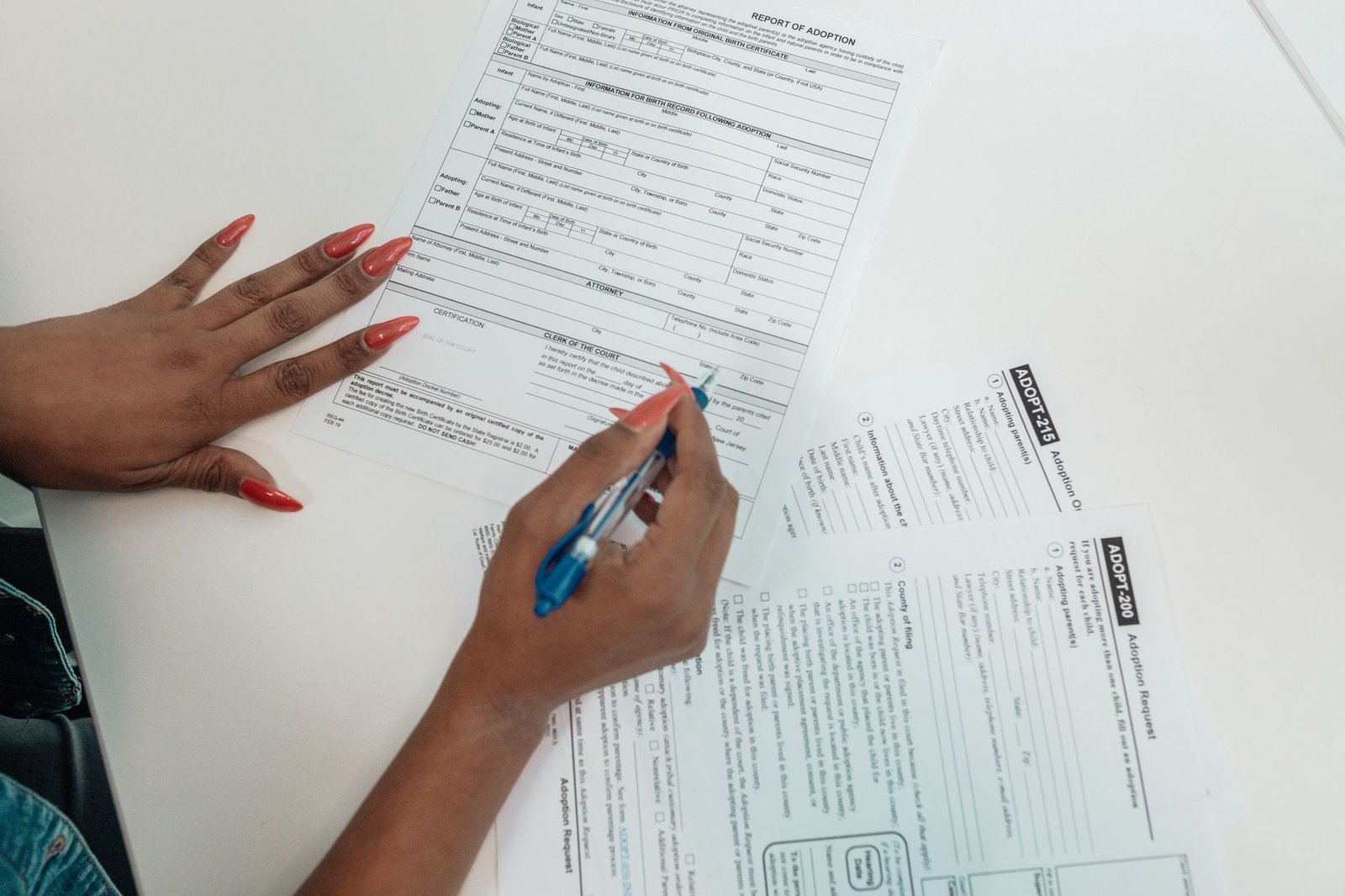
Part 1: What Is Actually Inside a VA Claims File
A C-file is the VA’s working record of a veteran’s benefits history. Depending on how long someone has interacted with the VA, it can include service treatment records, VA and private medical evidence submitted over the years, compensation and pension (C&P) exam reports, rating decisions, correspondence between the veteran and the VA, buddy statements, and internal notes explaining how a decision was reached. For a veteran with an asbestos-related illness like mesothelioma, the file often also holds the medical evidence and exposure history the VA weighed when it decided whether a condition was service-connected.
Because the file accumulates over time, a veteran who filed a single claim years ago may have a short file, while someone with multiple claims, exams, and appeals may have a file that spans several volumes. Nothing in a C-file is secret from the veteran it belongs to — you generally have the right to see your own record, and that right is one of the more reassuring facts many veterans do not know until they ask.
Part 2: Why a Veteran or Survivor Might Request a Claims File
There are several honest reasons people request a copy of their own record, and none of them require a lawyer to get started:
- Understanding a denial. A denial letter often summarizes the VA’s reasoning in a few paragraphs, while the full file shows exactly which evidence was reviewed, which exam findings were relied on, and where gaps may have influenced the outcome.
- Preparing a new or supplemental claim. Veterans building a mesothelioma or other asbestos-related claim may want to see what service and exposure evidence is already on file so they know what still needs to be gathered.
- Getting ready for an appeal. Reviewing the C-file before an appeal helps a veteran, a Veterans Service Officer (VSO), or an accredited attorney identify missing medical opinions or overlooked evidence.
- Sharing records with a private doctor. Some veterans want their own C-file so a private physician can review prior exam findings when treating a related condition.
- General peace of mind. Some veterans simply want a complete personal record of decades of service-connected claims for their own files.
Veterans working through the broader claims process may also find it useful to understand what a VA claim development letter is asking for, since those letters often reference the same evidence found in the claims file.
Part 3: Requesting Your Claims File Through VA.gov
For most living veterans, the simplest path is through VA.gov. The VA’s disability benefits portal allows many veterans to request a copy of their own claims file directly from their account, and in some cases to download evidence already submitted electronically. Start at VA.gov, sign in, and look for the option to request your claim file or review your claim status and evidence. If the online option is not available for your situation, the same account can point you toward the alternate request methods below.
This is generally the fastest route because it skips mailing paperwork back and forth, though the VA may still need to process the request manually depending on how large or old the file is.
Part 4: Written Requests and Freedom of Information Act (FOIA) Requests
When the online option is not available, or a veteran prefers a paper trail, there are two traditional paths:
- A written request. A veteran can send a signed, dated letter to the VA regional office or records center handling the claim, identifying themselves with their full name, VA file number or Social Security number, and a clear statement asking for a copy of their claims file. Including a current mailing address and daytime phone number helps avoid delays.
- A Freedom of Information Act (FOIA) request. The VA’s FOIA process is a formal legal channel for requesting agency records, including claims files, and it exists alongside the standard request process. Details on how to submit a FOIA request, along with contact information for the VA’s FOIA office, are available at foia.va.gov. A FOIA request is not required for most veterans requesting their own file, but it can be a useful backup option, especially for survivors or third parties who need a formal legal basis for the request.
Whichever method is used, it generally helps to be specific about what is being requested — the entire C-file, a specific rating decision, or only records from a particular date range — since a narrower request can sometimes be processed faster.

Part 5: How Long a Claims File Request Typically Takes
Processing time varies widely and depends on the size of the file, the request method, and current VA workload. A digital request through VA.gov may return records relatively quickly for straightforward, recent files. A written request or FOIA request routed through a records center can take considerably longer, particularly for veterans with decades of claims history or files that were partially stored on paper before being digitized. The VA generally provides status updates upon request, so if a claims file request has been pending for an extended period, following up directly with the office handling it is a reasonable next step. Veterans who are also waiting on a routine VA disability reexamination should keep in mind that record requests and exam scheduling move through separate VA channels and do not typically affect one another.
Part 6: How a Survivor or Next of Kin Can Request a Deceased Veteran’s File
Surviving spouses, adult children, and other next of kin sometimes need a deceased veteran’s claims file to understand a past decision, support a Dependency and Indemnity Compensation (DIC) claim, or settle questions about service-connected conditions like mesothelioma. Because the file belongs to the veteran’s record rather than to any one family member, survivors generally need to establish their relationship and legal standing when making the request — for example, by providing a death certificate and documentation showing they are the surviving spouse, next of kin, or a legally appointed representative such as an executor of the estate.
A FOIA request is often the more reliable path for survivors, since it provides a formal legal framework for requesting a deceased veteran’s records. The request should be sent to the appropriate VA office with a clear explanation of the requester’s relationship to the veteran and the reason the records are needed. Survivors preparing a DIC claim around the same time may also want to review the requirements for the survivor’s application for VA dependency and indemnity compensation, since supporting evidence often overlaps with what is found in the veteran’s claims file.
Part 7: What to Do Once You Have the File
A full C-file can be long and dense, and it is not written for easy reading. It generally helps to focus on a few sections first: the most recent rating decision and its stated reasons, the C&P exam reports the decision relied on, and any evidence that was listed as “not considered” or missing. Veterans working with a VSO, claims agent, or VA-accredited attorney on a new claim or appeal often bring the file to that first meeting so the representative can review it directly rather than starting from scratch. The VA generally encourages veterans to lean on accredited representatives for this kind of review, since interpreting exam language and rating criteria correctly can meaningfully affect how a supplemental claim is prepared.
Frequently Asked Questions
Is there a fee to request my own VA claims file?
Standard requests for a veteran’s own claims file are generally provided without charge. FOIA requests can, in some circumstances, involve fees for very large or complex record searches, though many veteran-specific requests do not reach that threshold. Current fee policies are listed at foia.va.gov.
Can I request only part of my claims file instead of the whole thing?
Yes. Many veterans request specific sections, such as a particular rating decision, a set of exam reports, or records from a certain time period, which can sometimes be processed faster than a request for the complete file.
Do I need a lawyer to request my claims file?
No. Veterans and eligible survivors can request a claims file directly, without an attorney. A VSO, claims agent, or attorney may still be a helpful resource for interpreting the file once it arrives, especially before an appeal.
What if my claims file request is denied or delayed?
If a request is delayed well beyond a reasonable processing window, following up in writing with the office handling the request is a reasonable step. FOIA requests that are denied generally come with an explanation and information about appeal rights within that process.
Can I get my claims file if I am currently appealing a decision?
Yes. Requesting the claims file during an active appeal is common, since reviewing the existing record often helps identify what additional evidence may strengthen a supplemental claim or appeal.
How is a claims file different from my military service records?
Military service records, such as a DD-214, document service history and are typically requested separately from the National Archives or through other channels. A VA claims file is specific to the VA’s handling of benefits claims and includes whatever service records the VA already obtained as part of that process, but the two are not identical.
Resources
- VA.gov — official VA benefits portal, including claim status and evidence access.
- VA Freedom of Information Act (FOIA) Office — how to submit a FOIA request for VA records.
- VA Benefits (benefits.va.gov) — compensation, claims, and related program information.
- To find a Veterans Service Officer for help interpreting your claims file, contact your local VFW, DAV, or American Legion chapter, or your county veterans service office.
Final Thoughts: Your Record, Your Right to See It
A VA claims file can feel intimidating simply because of its size, but understanding how to request your VA claims file puts real information back in the hands of the veteran or family it concerns. Whether you are trying to make sense of a past decision, building the evidence for a mesothelioma claim, or helping a surviving spouse settle a benefits question, that file is generally available to the people it belongs to. It takes a signed request and a little patience — nothing more mysterious than that.
Legal disclaimer: This article is for general information only and is not legal advice. It does not create an attorney-client relationship. Consult a VA-accredited attorney, claims agent, or a Veterans Service Officer (VSO) about your specific claim.